
10 Reasons Your Sleep Routine Isn't Working (And Why a Holistic Psych NP Approaches It Differently)

You’ve done the things. You bought the expensive silk eye mask, you’ve got a sunset lamp that mimics a Balinese dusk, and you stopped drinking coffee at noon. You’ve followed every "sleep hygiene" checklist you found on TikTok, yet here you are: staring at your ceiling at 2:14 AM, calculating exactly how many hours of sleep you’ll get if you fall asleep right now. (Spoiler: It’s never enough.)
If you’re a young professional or a student in Maryland trying to navigate a high-pressure career or intense studies, the frustration is real. You’re told that sleep is the foundation of mental health, but when the foundation is cracked, just "trying harder" to sleep usually makes the anxiety worse.
As a board-certified psychiatric-mental health nurse practitioner with a holistic lens, I see this all the time. Standard psychiatry often looks at sleep as a checkbox: "Are you sleeping? No? Here’s a sedative." But holistic psychiatry asks a different question: Why isn’t your body felt safe enough to drift off?
Let’s dive into the real reasons your routine is failing and how a PMHNP (Psychiatric Mental Health Nurse Practitioner) looks at your rest through a much wider lens.
1. You’re "Tired but Wired" (The Nervous System Gap)
This is the biggest culprit for my high-achieving career starters. You spend ten hours a day in a state of high alert: deadlines, emails, social navigating. Your sympathetic nervous system (fight or flight) is dialed up to a ten. Then, you expect to flip a switch and be in "rest and digest" mode at 11 PM.
Your brain doesn’t work like a light switch; it’s more like a large ship that needs miles to turn around. If you haven't actively signaled to your nervous system that the "threat" of the workday is over, your cortisol levels stay elevated, keeping you in a state of hyper-vigilance.
2. Revenge Bedtime Procrastination
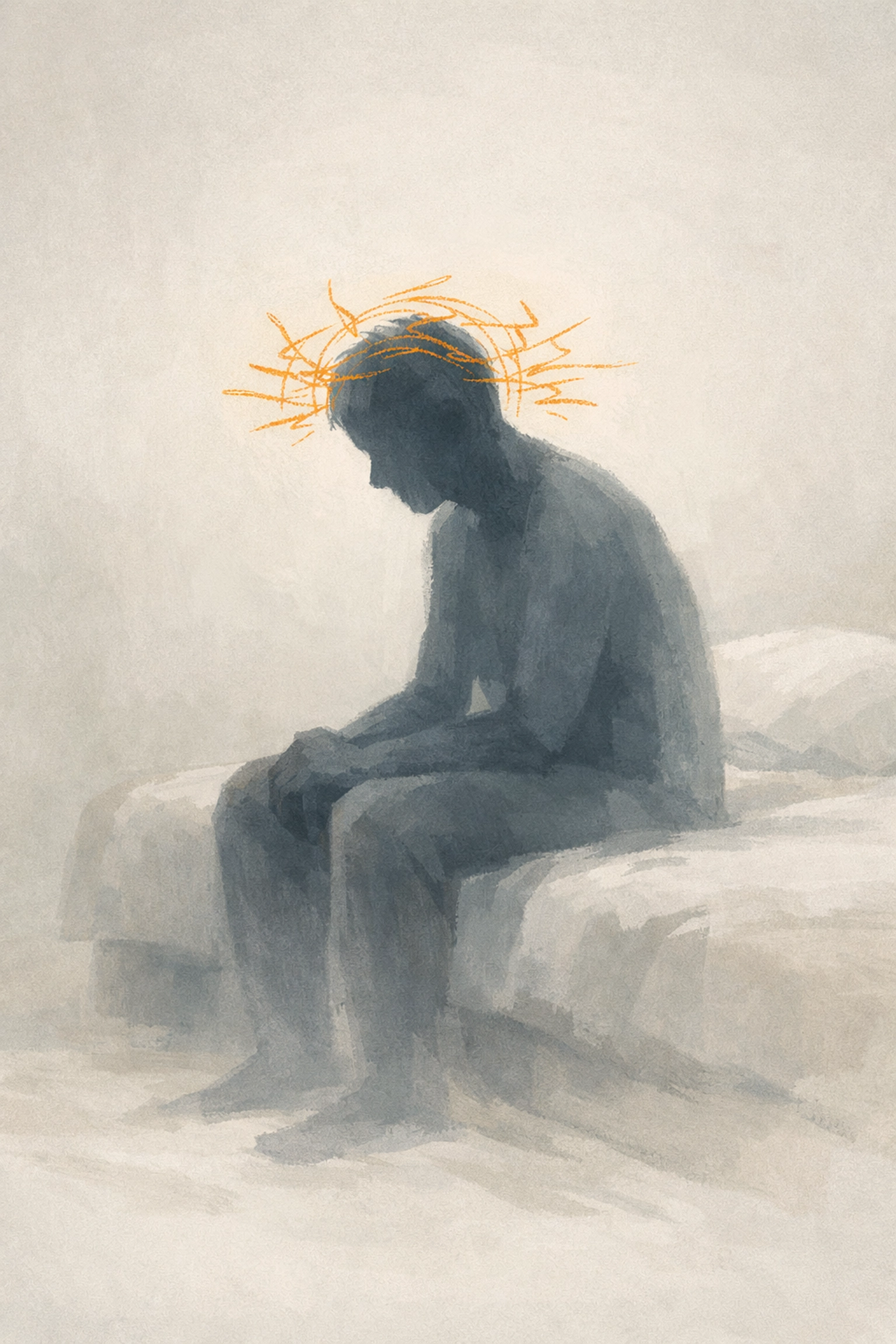
Have you ever stayed up way too late scrolling, not because you weren't tired, but because it was the only part of the day where you felt in control? This is "revenge bedtime procrastination." When your daytime hours are owned by your boss, your professors, or your family, you "steal" time back at night.
In a holistic psychiatry framework, we don't just call this "poor discipline." We look at it as a sign that your daytime life lacks boundaries or autonomy. Fixing your sleep might actually start with looking at your values and mission during the day.
3. The Gut-Brain Disconnect
What Your Provider Isn't Telling You: Your gut is a major player in your sleep cycle. About 90% of your body’s serotonin: the precursor to melatonin: is produced in your digestive tract. If your gut is inflamed from stress, poor diet, or undiagnosed sensitivities, your "sleep hormones" are going to be a mess.
As a Maryland psych np, I often encourage clients to look at their nutrition and gut health as part of their mental health plan. If your stomach is in knots, your brain won't be far behind.
4. You’re Ignoring the "Transition Zone"
A sleep routine isn't just what you do fifteen minutes before bed. A true holistic approach looks at the "Transition Zone": the two hours leading up to sleep. If you’re checking work emails or even watching an intense thriller on Netflix, you’re hitting your brain with "danger" signals.
You’re allowed to give yourself a "buffer hour." No chores, no hard conversations, no blue light. Just existing.
5. Movement That Doesn't Match Your Needs
We’re told exercise helps sleep, but the type and timing matter. If you’re already burnt out and you do a high-intensity interval training (HIIT) workout at 7 PM, you might be spiking your cortisol way too late.
In my work exploring how to integrate dance movement therapy, I advocate for embodied movement. Sometimes, a slow, rhythmic stretch or gentle swaying is what the body needs to discharge the day's stress, rather than a punishing gym session.

6. The "Maryland Hustle" Environment
Let’s be real: living and working in the DMV area comes with a specific type of pressure. The "always-on" culture is pervasive. If everyone around you is bragging about how little sleep they get, your subconscious starts to view rest as a weakness.
Part of working with a Maryland psych np is unlearning these cultural scripts. We have to address the "silent epidemic" of burnout that’s often linked to our local legislative and social environment.
7. Nutrient Deficiencies
Standard sleep hygiene lists rarely mention magnesium, Vitamin D, or iron. Low iron can lead to restless leg syndrome, while magnesium deficiency can make it impossible for your muscles to fully relax. A PMHNP who practices holistically might suggest labs to see if your "insomnia" is actually a nutritional gap.
8. The Alcohol Trap
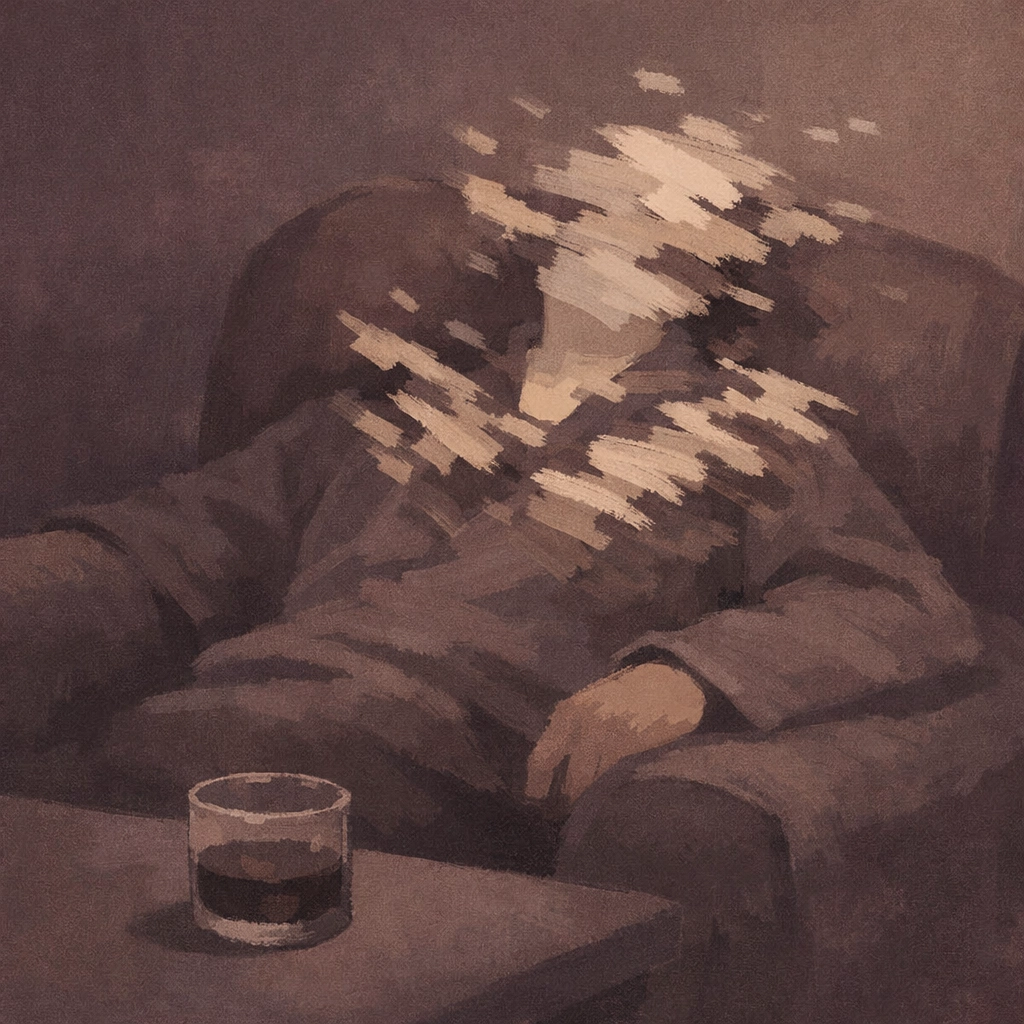
It’s the classic career-starter move: a glass of wine to "unwind." While alcohol is a sedative that helps you fall asleep faster, it absolutely trashes your sleep quality. It prevents you from entering deep REM sleep and often causes a "rebound effect" where you wake up at 3 AM with a racing heart.
9. Undiagnosed Anxiety or Trauma
Sometimes, the reason you can't sleep is that silence is loud. When the distractions of the day fade away, that’s when the intrusive thoughts, grief, or past traumas bubble up. If your brain associates "quiet" with "ruminating on everything I did wrong," you’re going to subconsciously avoid sleep.
This is where culturally responsive care and trauma-informed therapy come in. We can't just give you a pill; we have to process the "why" behind the wakefulness.
10. You’re Treating the Symptom, Not the System
The biggest reason your routine isn't working? You’re treating sleep as an isolated problem. You’re trying to fix the "sleep" part of your life without changing the "awake" part of your life.
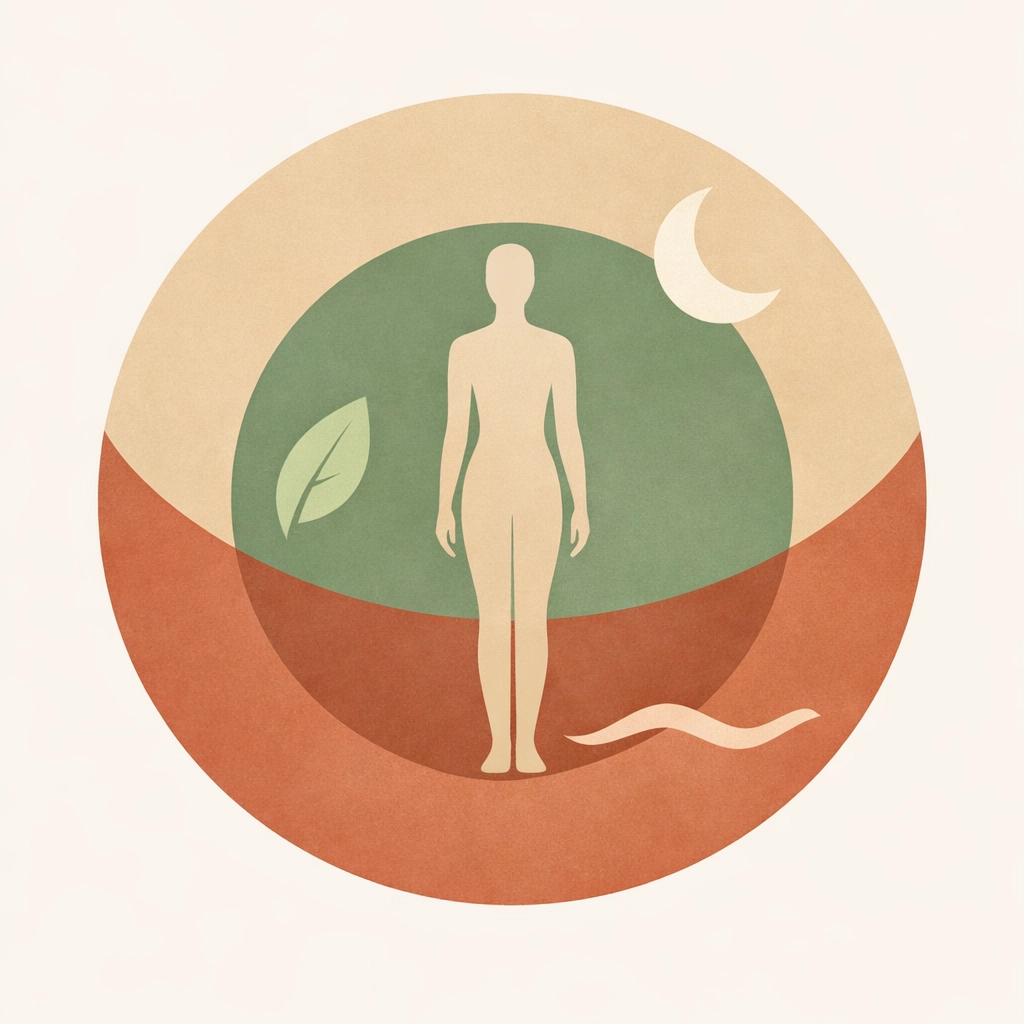
Holistic psychiatry views you as a whole ecosystem. Your sleep is affected by your relationships, your work satisfaction, your physical movement, and your sense of purpose. If those things are out of alignment, a sound machine won't save you.
Why a Holistic Psych NP Approaches It Differently
When you see a traditional provider, the conversation might stay very narrow. But when you work with someone focused on holistic mental health, the approach changes:
We look at the "Before": What does your morning look like? Are you getting sunlight in your eyes within 30 minutes of waking? (This sets your circadian clock for the next night).
We look at the "Body": How does stress manifest in your physical form? We use the proven holistic psychiatry framework to see how movement and medication can work together.
We look at the "Why": We investigate things like telepsychiatry benefits to make sure your care is accessible and doesn't add more stress to your schedule.
Real Talk: You’re Allowed to Struggle
If you’ve been beating yourself up because you can’t "just sleep," I want to give you permission to stop. Sleep is a biological process, but it’s also a vulnerable act. It requires a feeling of safety. If you don’t feel safe: socially, professionally, or internally: of course you aren’t sleeping well!
You aren't a failure for needing more than a "no screens" rule. You’re a human with a complex nervous system navigating a very complicated world.
Taking the Next Step
If you’re tired of being tired and want to explore what’s actually going on beneath the surface, let’s chat. Whether it's through integrating dance movement or looking at a comprehensive psychiatric plan, there is a path to rest that feels sustainable.
You can learn more about me and my approach or, if you're ready to dive in, book a session today.
Maryland residents, you don't have to settle for "fast" care that doesn't see the whole you. Let’s find a routine that actually works: inside and out.
Comments