
Body Notes: Why Your Body Remembers What Your Brain Forgets
- Antoinette Goosby
- Apr 2
- 5 min read

Have you ever walked into a room and suddenly felt your chest tighten, even though nothing "bad" was happening? Or maybe you’ve had a conversation that felt totally normal on the surface, but your stomach was doing somersaults for hours afterward?
If you’ve ever felt like your body was reacting to a ghost that your brain couldn't see, you’re not "crazy." You’re actually experiencing a very real, very biological phenomenon. As a Student Dance Movement Therapist here at Inside and Out Psychiatry, I spend a lot of time thinking about the "Body Notes" we carry, those physical records of our lives that don’t always make it into our conscious storytelling brain.
The truth is, your body stores memories through a system that is completely separate from your conscious recall. It lives in your nervous system, your muscles, and even your cells. While your brain might "forget" or rationalize away a stressful season of life, your body keeps the receipts.
The Two Filing Cabinets: Why Your Brain and Body Don't Always Talk
To understand why your body seems to have a mind of its own, we have to look at how we store information. Think of your memory like two different filing cabinets.
The first cabinet is for Explicit Memory. This is the narrative stuff. It’s your ability to remember your 10th birthday, the name of your first-grade teacher, or what you had for breakfast yesterday. It’s a story you can tell.
The second cabinet, the one we’re interested in today, is for Implicit or Procedural Memory. This cabinet doesn't store stories; it stores sensations, emotional states, and physical "how-tos." It’s how you know how to ride a bike without thinking about it, but it’s also how your body "remembers" how to react to stress.
When you experience something overwhelming, whether it’s a big "T" trauma or just the chronic, grinding stress of college life, your brain might not create a coherent story about it. Instead, your body records the sensory impressions: the smell of the room, the tone of someone’s voice, the feeling of being trapped.
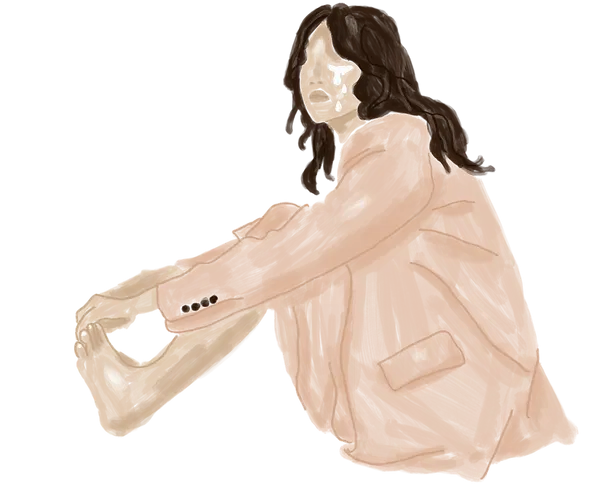
The Hair-Trigger: Your Nervous System as a Protector
So, why does the body do this? Why can’t it just let things go?
It’s actually a survival mechanism. Your nervous system is designed to keep you alive, not necessarily to keep you happy. When you encounter a threat, your body releases a cocktail of hormones like adrenaline and cortisol. These prepare you to fight, flee, or freeze.
Research shows that high-stress experiences can literally change your brain structure. Control shifts from your "rational" thinking brain (the prefrontal cortex) to your survival centers (the amygdala). This means your body can develop a "hair-trigger response."
If your nervous system learned five years ago that "feeling ignored" means "danger," your body will react to a text left on "read" the same way it would to a physical threat. Your heart rate spikes, your breathing gets shallow, and your muscles tense up, even if your rational brain is saying, "It’s fine, they’re probably just busy."
Why Holistic Psychiatry is the Game-Changer
In the world of mental health, we often spend a lot of time talking. And don't get me wrong, talking is great! But if we only focus on the "story" cabinet, we’re ignoring half the data.
This is where holistic psychiatry and the work of a PMHNP (Psychiatric Mental Health Nurse Practitioner) come in. At Inside and Out Psychiatry, we don’t just look at symptoms; we look at the whole system.
Medication can be an incredible tool to help lower the "noise" in your nervous system so you can actually do the work of healing. But medication works best when it's paired with an understanding of how your body is holding onto its history. A holistic approach asks: How is your sleep? What are you eating? How are you moving? How does your body feel when you talk about your past?
When we approach mental health through a culturally responsive psychiatry lens, we also acknowledge that different bodies carry different weights. Depending on your background, your body might be holding onto intergenerational stress or the physical toll of navigating a world that wasn't built for you. We can't just "talk" our way out of that; we have to move through it.
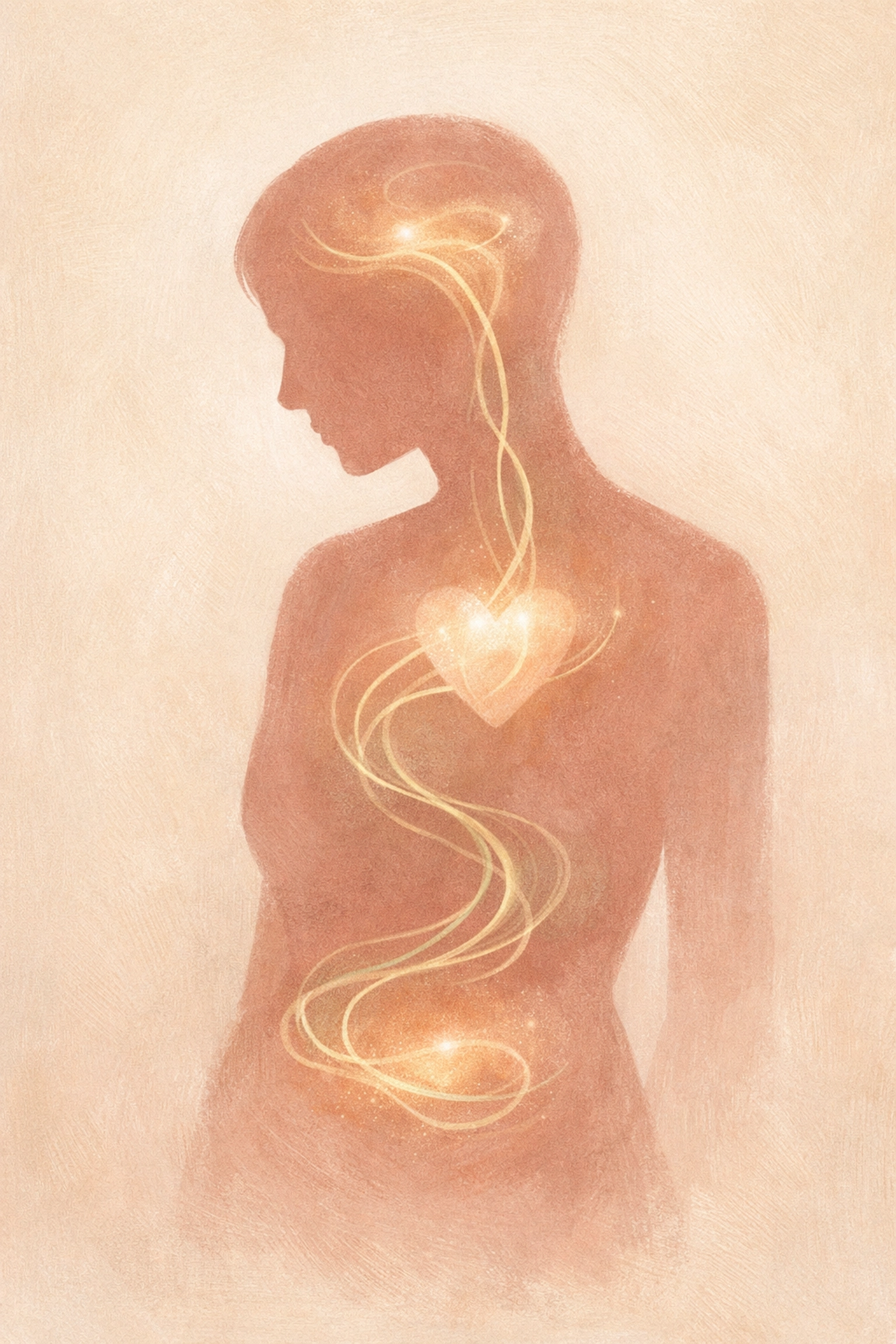
Movement as Medicine: A View from a Dance Movement Therapist
As a Student Dance Movement Therapist, my perspective is a bit different from a traditional talk therapist. I’m looking at the dance of your nervous system.
In our sessions, we might notice that every time you talk about your parents, you start swinging your leg. Or maybe your shoulders live up by your ears. These aren't just "ticks"; they are Body Notes. They are your body trying to tell a story it doesn't have words for yet.
Somatic (body-based) tools help us bridge the gap between the brain and the body. We use movement to help "complete" the stress responses that got stuck. If your body wanted to run away from a situation years ago but couldn't, that energy might still be sitting in your legs as restlessness or anxiety.
You don't have to be a "dancer" to benefit from this. It’s not about how you look; it’s about how you feel. It’s about giving your body permission to express what’s been locked away.
How to Start Reading Your Own "Body Notes"
If you’re feeling disconnected or like your body is constantly on edge, here are a few ways to start building that body awareness:
The Body Scan: Once a day, just sit and check in. Start at your toes and work your way up. Where is there tension? Where is there "nothingness"? Don't try to change it; just notice it.
Name the Sensation: Instead of saying "I'm anxious," try saying "My chest feels tight and my hands are cold." Shifting from an emotion to a sensation can help take the power out of the panic.
Find Your Ground: When you feel that "hair-trigger" response, literally feel the floor. Wiggle your toes. Feel the weight of your body in your chair. This tells your nervous system: I am here. I am safe. I am in the present.
Gentle Movement: Sometimes, the best thing you can do for a racing mind is to move your body. A slow walk, some gentle stretching, or even just shaking out your hands can help discharge some of that stored stress.
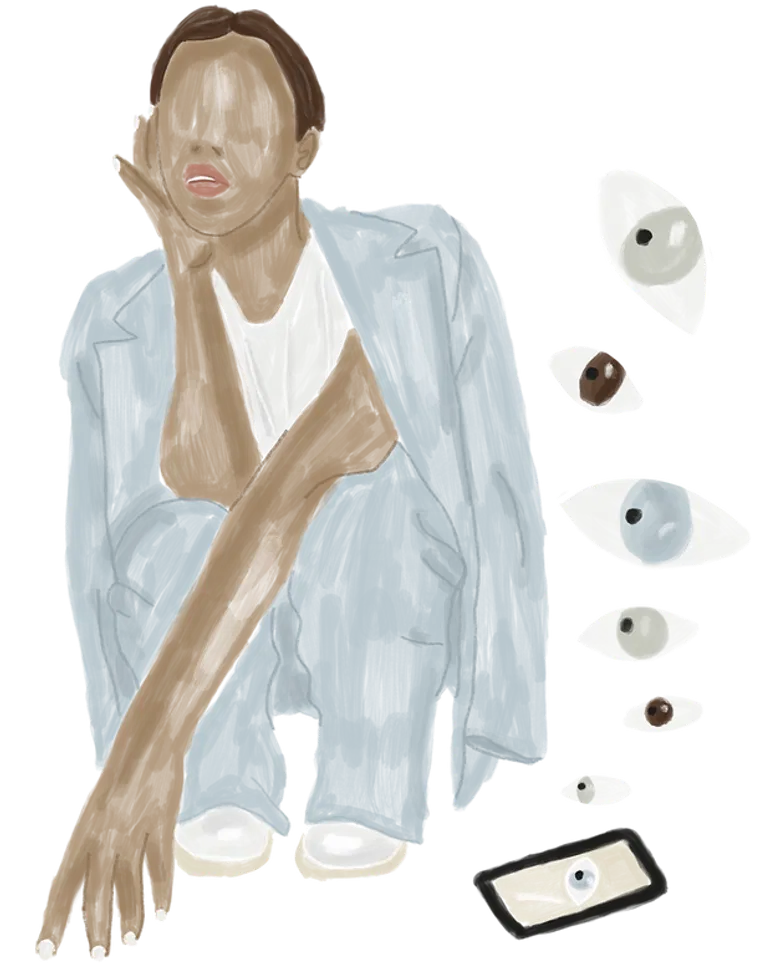
You’re Allowed to Feel Safe in Your Own Skin
For many of us, especially adolescents and young adults navigating high-pressure environments, the body can feel like a betrayal. It can feel like this weird, loud machine that ruins our day with panic attacks or fatigue.
But I want to offer you a different perspective: Your body is your oldest friend. It’s been with you through everything, and it’s doing its absolute best to keep you safe with the tools it has.
Healing isn't about "fixing" your body so it stops having reactions. It’s about building a relationship with your body so you can understand why it’s reacting and how to support it.
Whether it’s through somatic tools for anxiety, working with a PMHNP to balance your brain chemistry, or exploring your history through movement, there is a path forward.
Your body remembers, yes. But it also has an incredible capacity to learn something new. It can learn that the danger is over. It can learn how to rest. It can learn how to feel at home again.
If you’re ready to start listening to what your body has to say, we’re here to help you translate the notes. You can check out more about our approach on our blog or book a session to start your journey toward embodied healing.
You don't have to do this alone. Your body has been holding onto a lot: it's okay to let someone help you carry it.
Curious about how movement can shift your mental health? Check out Antoinette’s bio to learn more about Dance Movement Therapy at Inside and Out Psychiatry.
Comments