
Beyond the Label: Why 'Radical Honesty' is a Somatic Skill
- Antoinette Goosby
- Mar 17
- 5 min read

So, I was scrolling through TikTok the other day, you know, that dangerous "just five more minutes" scroll that turns into an hour, when Doja Cat’s recent BPD reveal popped up on my FYP.
If you missed it, Doja got incredibly raw about her Borderline Personality Disorder diagnosis. She didn’t just give us the clinical "I have X diagnosis" speech. She used words like "agonizing," "unbearable," and talked about the physical weight of emotional instability. And honestly? My therapist brain went quiet, and my somatic practitioner brain turned all the way up.
Because when we talk about BPD, or any kind of intense emotional dysregulation, we usually talk about it from the neck up. We talk about "mood swings," "fear of abandonment," or "impulsivity." But what Doja was describing, and what so many of you feel every single day, isn't just a thought process. It’s a full-body experience.
At Inside and Out Psychiatry, we’re big on the idea that your "mental" health is actually "whole-body" health. And today, I want to talk about why Doja’s brand of radical honesty isn’t just a social media trend, it’s actually a high-level somatic skill that we can all learn from.
The "Agony" is Real: What Dysregulation Feels Like in the Body
When Doja used the word "agonizing," she wasn’t being dramatic for the 'gram. She was describing the physiological reality of a nervous system that is stuck in a state of high alert.
Most people think of Borderline Personality Disorder as a personality "flaw" (which is such a harmful myth, by the way). In reality, it’s often a result of a highly sensitive nervous system that has been conditioned by trauma or environment to react at 100% when most people are at a 20%.
Imagine your nervous system is like a smoke detector. For most people, the alarm only goes off when there’s an actual fire. For someone dealing with intense emotional instability, that smoke detector goes off because someone lit a candle in the next room. It’s loud, it’s piercing, and your body reacts like the whole house is burning down.
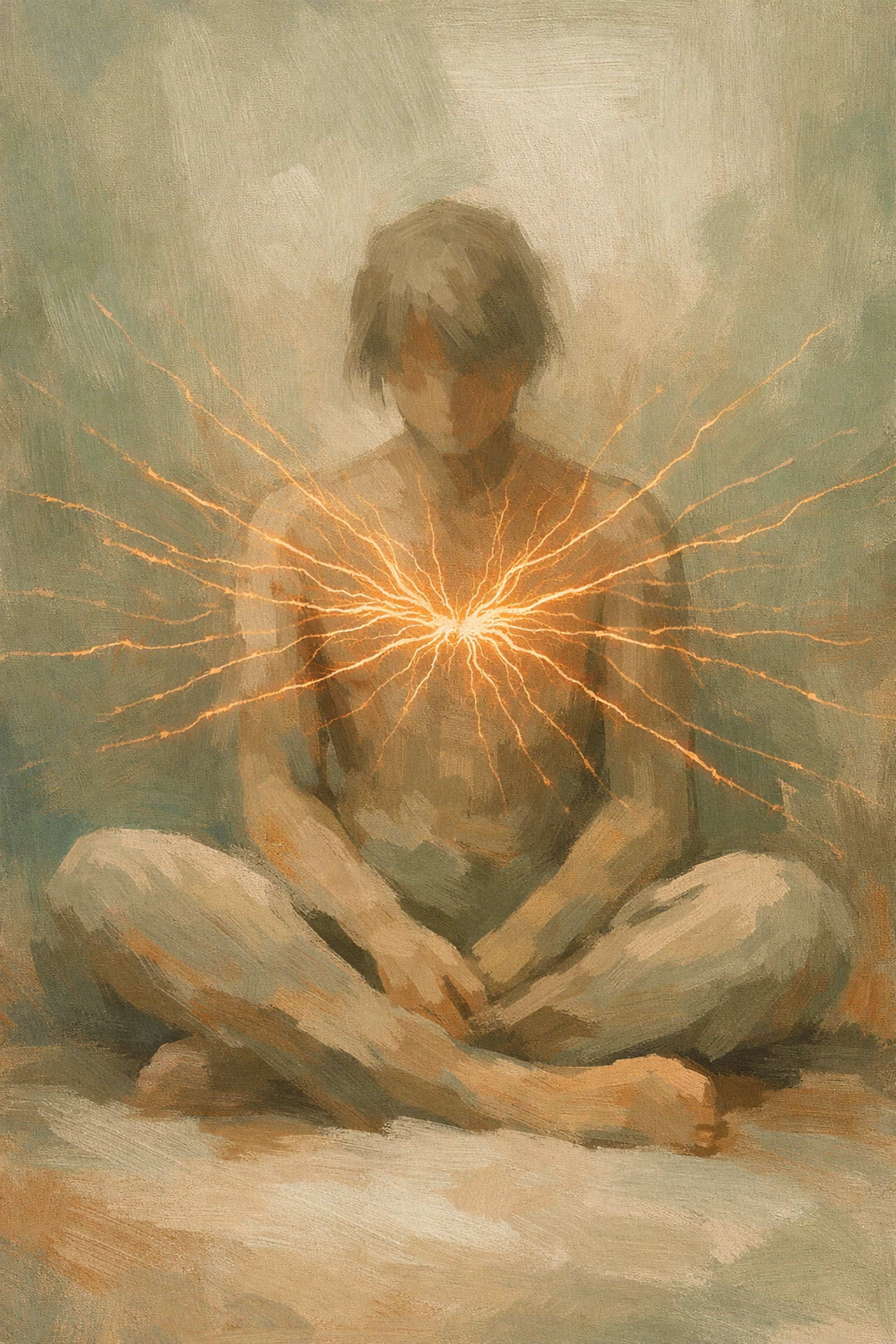
That "agonizing" feeling is actually:
A surge of cortisol and adrenaline that feels like electric shocks in your limbs.
A tightness in the chest that makes it feel like you can’t get a full breath (hello, vagus nerve!).
A literal heat or "burning" sensation in the face and neck.
A heavy, crushing weight in the stomach that feels like lead.
When your body is vibrating at that frequency, "just staying calm" isn't an option. You’re in survival mode. And that’s where the "Radical Honesty" comes in.
Radical Honesty as a Regulation Tool (Not Just a Vibe)
In my work as a Student Dance Movement Therapist, I talk a lot about "Body Notes." This is the practice of checking in with what your physical self is saying before your brain has a chance to tell a story about it.
"Radical Honesty" is a term that gets thrown around a lot in celebrity culture, but somatically, it means something very specific: It’s the ability to name the sensation while it’s happening.
Think about the last time you felt a "spiral" coming on. Usually, our brains start racing: "They hate me," "I’m going to lose my job," "I’m a failure." That’s the "thinking" mind. Radical honesty asks us to drop down into the "noticing" mind.
Instead of saying "I’m a failure," radical honesty sounds like: "My throat feels tight, my heart is racing, and I feel a desperate urge to run away."
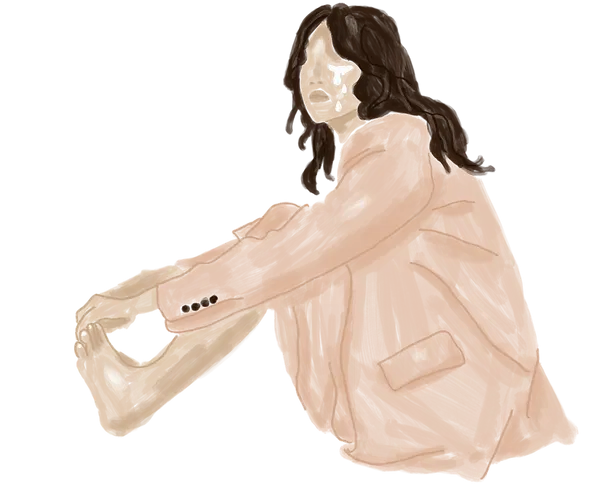
When you name the physical sensation, you actually give your nervous system a chance to regulate. You’re telling your brain, "I see the alarm is going off, and I’m acknowledging the noise." This is why Doja Cat’s post felt so powerful, she wasn’t just performing; she was witnessing her own internal state in real-time.
The Cultural Weight: Radical Honesty for Black Women
I can’t talk about Doja Cat and BPD without talking about the specific experience of being a Black woman in this space.
For Black women, "radical honesty" about our mental health is often a revolutionary act. We are socialized to be the "Strong Black Woman", the one who holds it all together, the one who doesn't crack, the one who is the "backbone." When a Black woman shows "emotional instability," she’s rarely met with the same grace as others. She’s labeled "angry," "difficult," or "crazy."
So, when Doja, one of the biggest artists on the planet, says, "I am struggling, and it feels like agony," she is pushing back against that "Strong Black Woman" trope that literally kills us.

In culturally responsive care, we recognize that holding in those "unacceptable" emotions creates literal physical tension in the body. It’s stored in the jaw, the hips, and the shoulders. For many Black women, radical honesty is the only way to release that stored trauma. It’s a way of saying, "I am allowed to be human, and I am allowed to have a nervous system that needs care."
Why We Need to Move Beyond the Label
Labels like BPD can be helpful because they give us a map. They help us realize we aren't alone and that there are specific tools, like Dialectical Behavior Therapy (DBT) or Somatic Experiencing, that can help.
But the label isn't the whole story.
If we only focus on the label, we stay in the "thinking" mind. We start judging ourselves based on a checklist of symptoms. But if we focus on the somatic skill of radical honesty, we start to heal.
Here is the "Ask Toni" takeaway for today: You don't need a Grammy or a million followers to practice this. You can start right now.
Notice the sensation: The next time you feel a big emotion, stop. Don’t try to fix it. Just find where it lives in your body. Is it a flutter? A knot? A chill?
Name it without judgment: Instead of "I'm being crazy," try "I'm feeling a lot of heat in my chest right now."
Give yourself permission: Tell yourself, "I am allowed to feel this sensation. My body is trying to protect me, even if it’s overreacting."
Body Notes: A Quick Check-In
I want to leave you with a little somatic check-in. If Doja’s story resonated with you, or if you’ve been feeling like your own "smoke detector" has been going off lately, try this:
Put one hand on your heart and one hand on your belly. Take a breath, not a "perfect" deep breath, just a regular one. Feel the movement under your hands. That movement is proof that you are here, you are alive, and your body is doing its best to keep you safe.

At Inside and Out Psychiatry, we believe that medication and movement can work together to quiet that alarm system. Whether you’re navigating a new diagnosis or just trying to understand why your emotions feel so big, you don’t have to do it alone.
Let’s Keep the Conversation Going
Radical honesty isn't about being "perfect" at sharing your feelings. It's about being brave enough to acknowledge the messy, agonizing, and beautiful reality of being human in a body.
If you’re looking for a space that values your whole self, not just your diagnosis, we’re here. You can book a session here or check out more of our thoughts on the Inside and Out blog.
Remember: You are more than a label. Your body has wisdom. And being honest about how you feel is the first step toward coming back home to yourself.
Stay embodied, Antoinette
Disclaimer: This blog post is for educational and informational purposes only and does not constitute medical advice. If you are experiencing a mental health crisis, please contact a healthcare professional or emergency services immediately.
Comments