
Struggling to Find Eating Disorder Help in Maryland? Here's What This Holistic Psych NP Wants You to Know

Updated: Dec 26, 2025
I see you there, scrolling through Google at 2 AM, trying to figure out if what you're noticing in yourself or your child is "normal" or something more serious. Maybe you've been to a few doctors already, and you're feeling like no one really gets the whole picture. Trust me – you're not imagining things, and you're definitely not alone in feeling lost in Maryland's mental health system.
As a holistic psych NP who's spent years working with families dealing with eating disorders, I want you to know that your instincts matter. That nagging feeling that something isn't quite right? It's worth paying attention to.
The Red Flags You Might Be Missing (And The Obvious Ones You're Not)
Let's be real – most people think eating disorders look like what they see in movies. The truth is way more complicated than that, especially when you're dealing with teenagers and young adults who've gotten really good at hiding things.
The Sneaky Signs That Fly Under the Radar:
Your usually social teen suddenly has "homework" during every family meal
They're suddenly really interested in cooking elaborate meals for everyone else (but not eating them)
Exercise has gone from healthy hobby to non-negotiable daily requirement – even when they're sick or injured
They're obsessing over food labels in a way that seems more intense than just "eating healthy"
Their mood crashes hard if their routine gets disrupted (especially around food or exercise)
They're constantly cold, even when it's warm out
The More Obvious Warning Signs:
Rapid weight changes (up or down)
Making excuses to avoid eating with others
Frequent bathroom trips after meals
Hoarding food or evidence of binge eating
Extreme mood swings around food situations
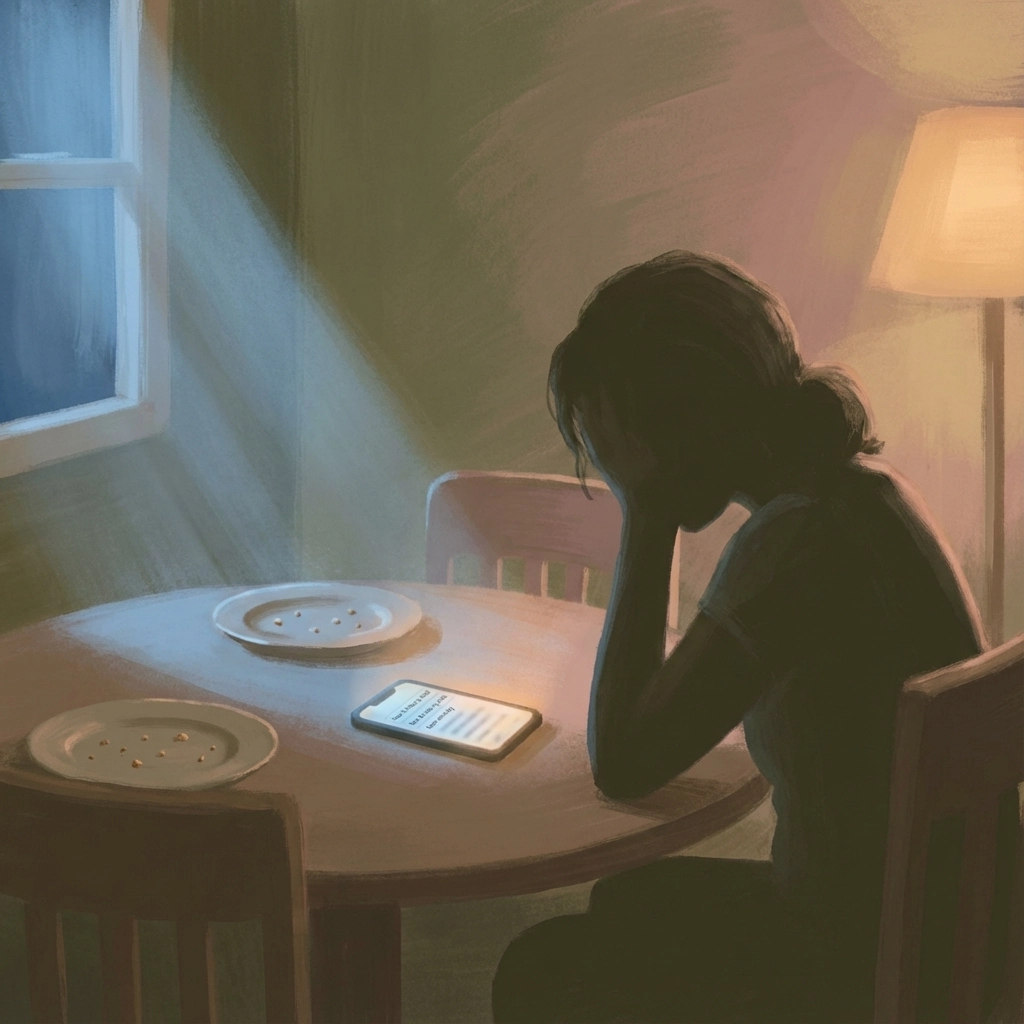
Here's what I wish more parents knew: eating disorders don't just affect "certain types" of kids. I've worked with honor roll students, athletes, kids who seem to have it all together, and yes – boys too. About 25% of people with anorexia and 40% of people with binge eating disorder are male, but we rarely talk about that.
Why Your Holistic Psych NP Approach Hits Different
You've probably been to your family doctor, maybe even a traditional psychiatrist. Maybe someone handed you a list of therapists and said "good luck." I get why that feels overwhelming and disconnected.
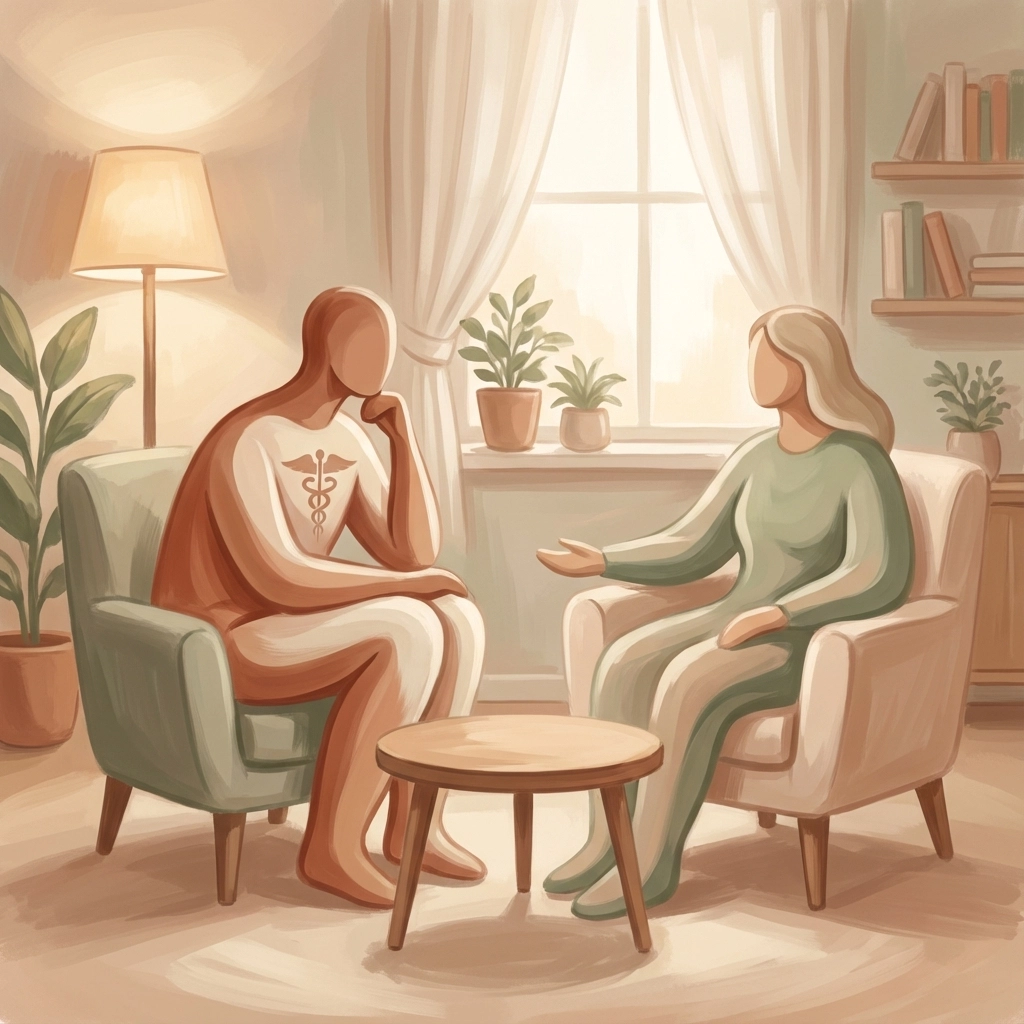
Here's the thing about working with a psychiatric nurse practitioner who takes a holistic approach – we're looking at the whole person, not just symptoms. When I say holistic, I don't mean we're burning sage and ignoring science (though if sage helps you feel grounded, I'm here for it). I mean we're considering:
Your Brain Chemistry AND Your Life Circumstances
Traditional psychiatry often focuses heavily on medication management – which is important! But eating disorders are complex. They're about control, trauma, genetics, social pressures, family dynamics, and yes, brain chemistry. As a holistic psych NP, I can prescribe medications when they're helpful, but I'm also trained in psychotherapy techniques. That means we can work on both the biological and psychological aspects of your eating disorder in the same session.
Your Body AND Your Environment
I'm not just looking at what's happening in your head – I'm curious about your sleep, your relationships, your stress levels, your cultural background, what's happening at school or work. Sometimes the "eating disorder" is actually your brain's way of coping with something else entirely.
Medication When It Helps, Therapy When It Heals
Here's where a lot of people get confused about what makes a psychiatric nurse practitioner different from a traditional psychiatrist or therapist. I can do both medication management AND therapy. That means if we determine that an antidepressant might help with the anxiety that's fueling your restrictive eating, we can start that AND work on the underlying thought patterns at the same time.
What This Actually Looks Like in Maryland
Let me paint you a picture of what comprehensive eating disorder care can look like when you're working with a Maryland psych NP who gets it:
First, We Actually Listen
Your first appointment isn't going to be me asking you to rate your sadness on a scale of 1-10 and then writing you a prescription. We're going to talk about what brought you here, what you've already tried, what your biggest fears are about treatment, and what you hope things could look like.
We Create a Plan That Fits Your Life
Maybe you're a college student who can't afford to take a semester off for residential treatment. Maybe you're a parent trying to help your child while also managing work and other kids. Whatever your situation, we're going to figure out a level of care that actually works for your life.
Maryland has some excellent intensive outpatient programs – places like the Renfrew Center of Bethesda offer day treatment programs where you can get serious support without having to leave your entire life behind. We also have virtual options now, which can be amazing for people in more rural parts of Maryland who can't easily get to Bethesda or Baltimore.
We Address the Whole Picture
This might mean we're working on anxiety management alongside eating disorder recovery. It might mean we're processing trauma while also doing family therapy. It might mean we're adjusting medication while teaching mindfulness skills. The point is, we're not just putting a band-aid on symptoms – we're addressing root causes.
The Maryland Advantage (Yes, It Exists)
Here's something that might surprise you: Maryland actually has some really solid eating disorder resources, especially in the Baltimore and DC metro areas. We're close enough to major academic medical centers to have access to cutting-edge treatment approaches, but we're also seeing more psychiatric nurses who are choosing to specialize in eating disorders.
Sheppard Pratt's Center for Eating Disorders is right here in our backyard and consistently ranks as one of the top psychiatric hospitals in the country. Monte Nido offers virtual care throughout Maryland, which means you can access their specialized program from anywhere in the state.
But here's the real advantage: working with a local Maryland psych NP means you're working with someone who understands the specific pressures and challenges that come with living here. The academic pressure in Montgomery County. The social dynamics in Baltimore. The isolation that can happen in more rural parts of the state.
When to Worry vs. When to Wait
This is probably the question I get most from parents: "Is this serious enough to seek help, or am I overreacting?"
Here's my rule of thumb: if you're worried enough to be Googling eating disorder symptoms at 2 AM, it's worth a conversation with a professional. You don't have to wait until someone is medically unstable to reach out for support.
That said, there are some situations where you need to act quickly:
Rapid weight loss (more than 1-2 pounds per week for several weeks)
Fainting or dizziness
Signs of purging (swollen glands, dental issues, calluses on knuckles)
Complete social withdrawal
Threats of self-harm
Medical complications (irregular periods, hair loss, etc.)
Your Next Steps (Because Knowing What to Do Helps)
If this is resonating with you, here's what I'd recommend:
Here's What I Want You to Remember
Eating disorders are serious, but they're also treatable. Working with a holistic psych NP means you're not just managing symptoms – you're actually healing the underlying issues that contributed to the eating disorder in the first place.
Recovery doesn't happen overnight, and it doesn't happen in a straight line. But with the right support – someone who can address both the medical and psychological aspects of what you're going through – it absolutely happens.
You don't have to figure this out alone. Maryland has resources, and more importantly, you have options that don't require you to turn your whole life upside down to get help.
If you're ready to have a real conversation about what's going on and explore what holistic eating disorder treatment might look like for you or your family, I'd love to talk. Because you deserve care that sees the whole you – not just the eating disorder.
Comments